Why a short conversation with Alhaji Adekunle Rufai Omoaje left me believing Nigeria still has statesmen worth listening to
By Hon. Muhammad Yahaya
History has a strange way of deciding who gets remembered. Long after the campaign posters come down and the noise of public debate fades, only one question remains: what did you leave behind?
Wealth can’t answer that question. Neither can power, titles, or political connections. What survives is simpler the lives you touched, the hope you gave people, the character you showed when nobody was watching.
I was reminded of that on 9th May 2026, at the Social Democratic Party’s National Convention in Bauchi State.
Conventions like this tend to be remembered for the speeches, the backroom deals, the alliances quietly stitched together. People show up with talking points and agendas. But every so often, something happens off the programme a quiet exchange that shifts how you see things.
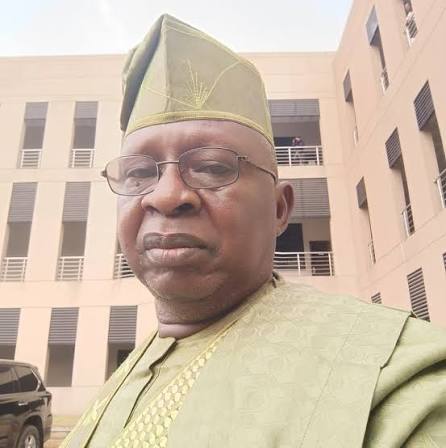
That’s what happened when I met Alhaji Adekunle Rufai Omoaje, the Action Alliance’s presidential aspirant, for the first time.
We didn’t talk for long. There were no cameras, no microphones, no crowd watching us. Just a short conversation. And yet in that short conversation I noticed something you don’t come across often in Nigerian politics anymore: humility, sincerity, and a kind of quiet wisdom.
Some people get respect because of the office they hold. Others earn it through the values they carry with them. After talking with him, I’m convinced Omoaje belongs to the second group.
What struck me was that his read on Nigeria goes well past the usual campaign slogans. He talked about leadership the way someone talks who actually believes it’s a duty rather than a reward, carefully, with real weight behind the words. He wants a Nigeria where justice and competence aren’t just things politicians promise but things people actually experience.
In a political climate where so much conversation is bitter and self-serving, it was genuinely refreshing to sit with someone who talks about the country with hope instead of grievance.
And it wasn’t just what he said it was how he said it. No arrogance. No showmanship. No reaching for applause lines. He listened as much as he spoke, and he gave the conversation the kind of respect that’s easy to talk about and hard to actually practice.
That, more than anything, tells you about a person’s character. Leadership starts long before an election, it starts in how someone treats people when there’s nothing in it for them.
Walking away from that conversation, I found myself wondering what Nigeria could look like with more people like him in public office. What would change if integrity mattered more than political convenience? If competence pushed out mediocrity? If service actually came before self-interest?
Those questions stayed with me well after we’d said our goodbyes.
Wisdom isn’t always about how many years someone has lived, sometimes it’s about the quality of what they have to say. In that one short conversation, I picked up perspective that some people spend years chasing. Most meetings leave you with nothing much. Once in a while, one quietly changes how you think about leadership and public service. This was one of those.
Nigeria has never lacked talented people. We have brilliant minds, vast resources, and no shortage of potential. What we’ve struggled to find is enough leaders whose personal values actually match the weight of the responsibility they’re asking for.
Whatever party you belong to, whatever your politics, that shouldn’t stop anyone from recognizing character when they see it. Public life gets healthier when we’re as quick to praise integrity as we are to call out failure.
Meeting Alhaji Adekunle Rufai Omoaje reminded me that beyond the headlines and the usual political theatre, there are still Nigerians whose ambitions reach further than themselves, and whose commitment to the country is real.
I hope our paths cross again, and that next time there’s room for a longer conversation. There’s clearly more to learn from his experience and his outlook on leadership.
We owe it to ourselves, and to the generations coming after us, to notice and support leaders who show humility, wisdom, and respect for people’s dignity. Those qualities rarely make headlines, but they’re what nations are actually built on.
History will keep judging every generation of leaders. And it won’t remember the ones who shouted the loudest promises, it’ll remember the ones who left something behind.
My short conversation with Alhaji Adekunle Rufai Omoaje left me believing, more than I have in a while, that principled leadership isn’t some far-off dream for Nigeria. It’s still within reach.
About The Author